Research
Movement disorders from neurological and other origins still cause devastating effects on the quality of life of millions of individuals worldwide. Indeed, regardless of the possible extraordinary outcome of rehabilitation interventions and other novel therapeutic approaches, such as cell-based therapies, evidence suggests that improved technology will continue to be essential for functional recovery for individuals who suffered a stroke, with Spinal Cord Injury (SCI), and other conditions. This is particularly important in a world with an increasingly elderly population.
My fundamental research goal is to develop and evaluate noninvasive technology, including electrical stimulation, robotics, Virtual Reality (VR), and sensors, for improving rehabilitation and assistance for people with motor disabilities.
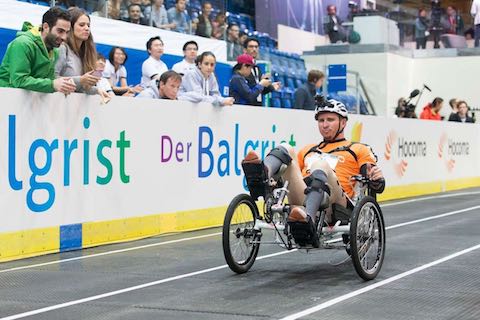
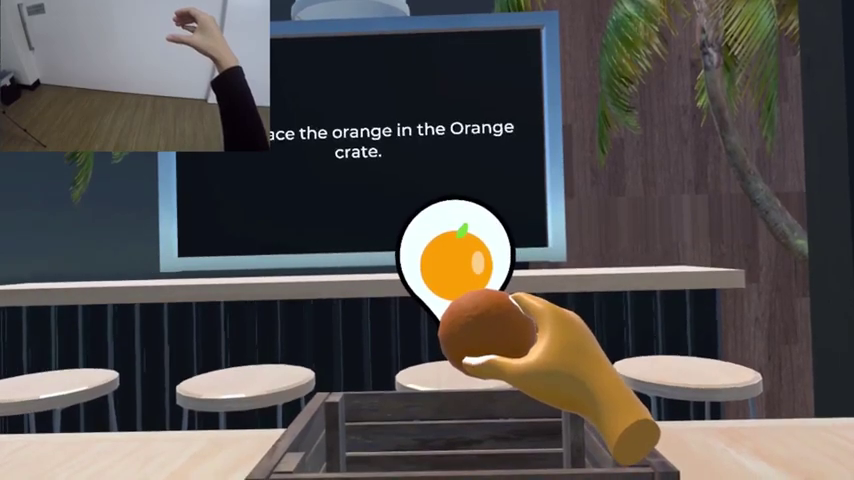
Nonetheless, to maximize impact, mechatronic systems developed with that purpose must be portable, easy to use, affordable, and with the potential to be used in assistance and rehabilitation. For that reason, my research program lies in the intersection of biomedical engineering and human-machine systems, especially in applications involving wearable systems that have been enabled by recent advances in technology. While projects in my research group involve the development of hardware and software components, the novelty is typically found within mechatronic integration and the results of proof-of-concept studies in rehabilitation and related applications.
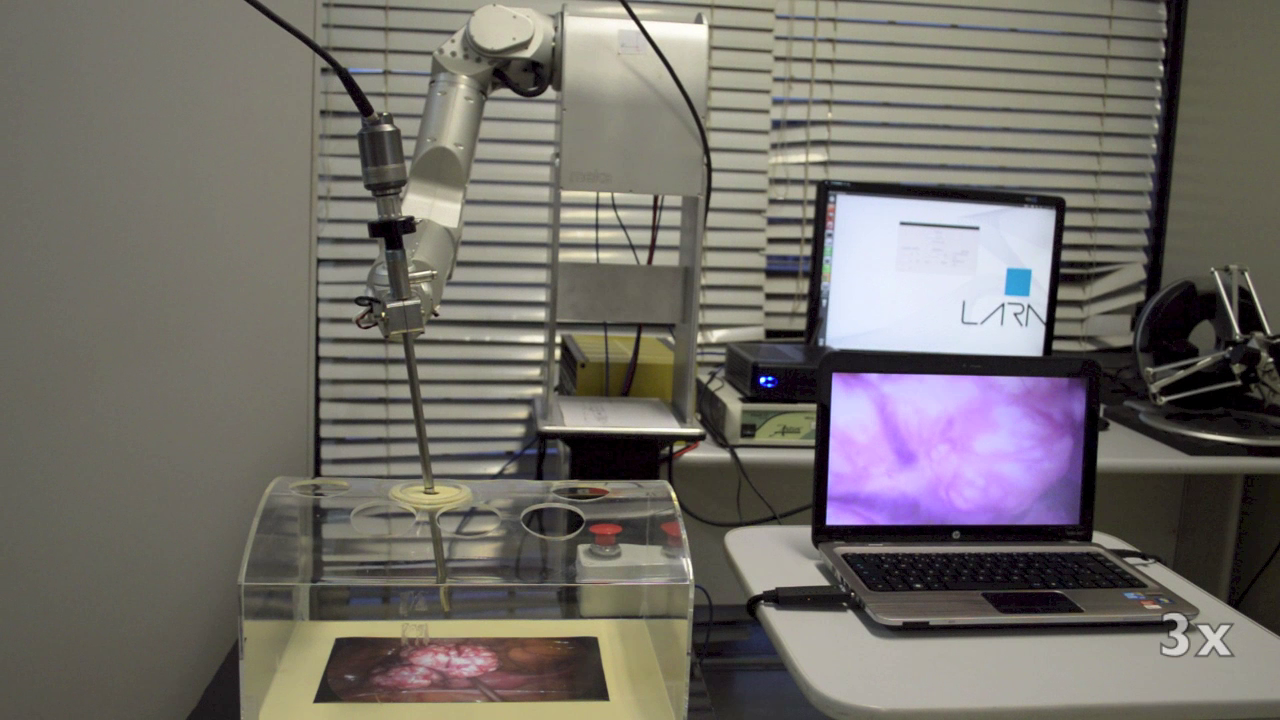
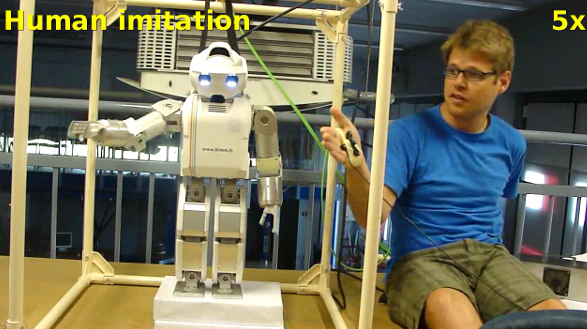
My main technical contributions are distributed in three interconnected research lines: (i) control of wearable robotic and electrical stimulation systems, (ii) design of user interfaces, including the ability to provide real-time feedback to the user, and (iii) sensing methods based on machine learning and signal processing to estimate human movement in real-time. The toolset used in these projects includes automatic control, stochastic filtering, sensor fusion, machine learning, embedded systems, mechanical design, and electronic instrumentation.
Scientifically, my primary goal involves evaluating the effects of novel rehabilitation technology in long-term small-sample studies, possibly including use at home. These goals are inspired by recent evidence that suggests increased degrees of stimuli synchronization and higher dosage of treatment may significantly enhance practice-induced neuroplasticity. Due to this focus, essential components in each project are end-user engagement, often using co-design, and close collaboration with clinicians.